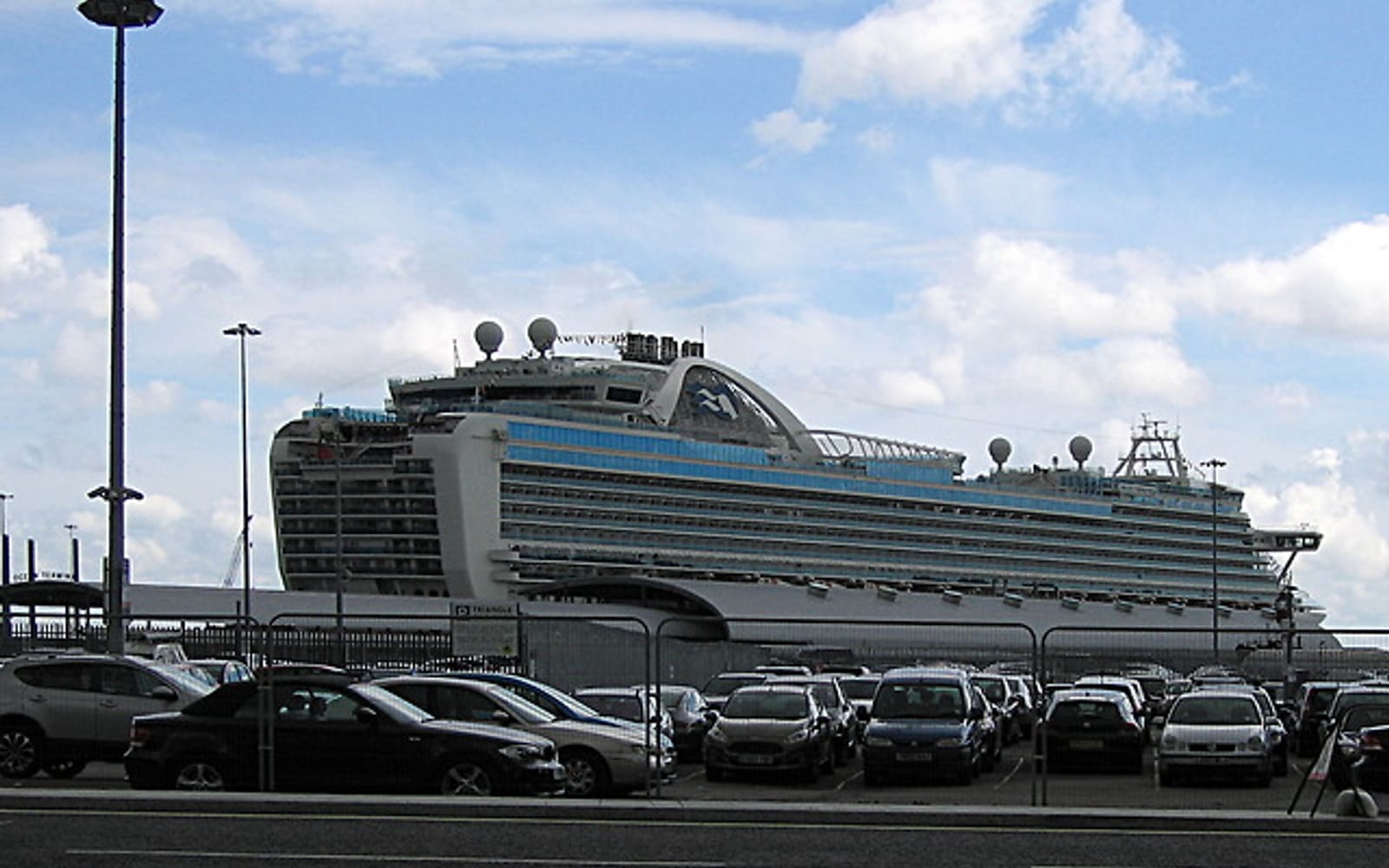
Mid-ship, mid-deck, and a plan if you are the queasy one
Ashley is not your doctor. She is the person who will not put you in the far-forward cabin as a surprise.
Ashley can plan around motion risk, not medically treat it
Talk to a clinician or pharmacist about medication or medical advice. Talk to Ashley about cabin location, itinerary, ship size, and how much time you expect to spend in the cabin. Those are travel-planning levers, not medical treatment.
Cruise-planning choices that can matter
Cabin location
Many motion-sensitive travelers prefer a more central location where movement may feel less pronounced, though no cabin eliminates motion.
Ship size
Larger and smaller ships can feel different in different sea conditions. Size alone is not a guarantee of a motion-free trip.
Itinerary
Open-ocean crossings and sheltered routes can create different expectations. Weather and sea state still change.
Fresh air and horizon
Some travelers find access to outdoor space or a visible horizon helpful, but that is personal rather than a universal rule.
What Ashley can change vs what she cannot
Planning choices
- Cabin location
- Ship and itinerary comparisons
- Amount of open-ocean time
- Access to outdoor space
Medical decisions
- Which medication to take
- Dose or timing
- Whether a medicine is safe with your conditions
- Whether symptoms need medical evaluation
Ready when you are
Tell Ashley what you’re picturing.
Share who is coming, what you care about, and what still feels messy. Ashley will help you turn that into a plan.
“Tell me what you're dreaming about, I'll help you shape the rest.”